
We all know the feeling. You’re exhausted, you finally get into bed, and then your brain decides it’s the perfect time to replay every awkward thing you’ve ever said or start mentally drafting tomorrow’s to-do list. Sleep should be the easiest thing in the world, and yet for a lot of people, it’s one of the hardest.
If you’ve been waking up tired, struggling to fall asleep, or just not feeling rested no matter how many hours you log, this one’s for you.
Why Sleep Actually Matters
Before we get into the tips, it’s worth understanding why sleep is such a big deal. While you sleep, your body is doing a lot of work: repairing muscle tissue, consolidating memories, regulating hormones, and resetting your immune system. Consistently poor sleep doesn’t just make you tired. Over time, it affects your mood, your concentration, your metabolism, and your overall health.
Getting better sleep isn’t a luxury. It’s one of the most important things you can do for your body and mind.
Set a Consistent Sleep Schedule
Your body runs on an internal clock, and it works best when you stick to a consistent schedule. Going to bed and waking up at the same time every day, including weekends, helps regulate your circadian rhythm and makes it significantly easier to fall asleep and wake up naturally.
It doesn’t have to be an early bedtime. It just has to be consistent.
Wind Down Before Bed
One of the biggest reasons people struggle to fall asleep is that they go from full activity mode straight to lying in bed expecting to pass out. Your brain needs time to shift gears.
Build a wind-down routine in the 30 to 60 minutes before bed. This could be reading, light stretching, journaling, a warm shower, or anything that signals to your body that the day is winding down. The key is to keep it calm and screen-free if you can.
Cut Back on Screen Time at Night
This one’s hard, especially when doomscrolling before bed has basically become a national pastime. But the blue light emitted by phones, tablets, and laptops suppresses melatonin production, which is the hormone that tells your body it’s time to sleep.
Try putting your phone down at least 30 minutes before bed. If that feels impossible, at least switch to night mode and turn the brightness down.
Watch What You Eat and Drink at Night
Heavy meals, caffeine, and alcohol close to bedtime can all interfere with sleep quality. Caffeine can stay in your system for up to six hours, so that late afternoon kape might be doing more damage than you think. Alcohol might make you feel drowsy initially, but it disrupts your sleep cycle later in the night.
A light snack is fine if you’re hungry before bed, but try to avoid anything too heavy or stimulating within two to three hours of sleeping.
Make Your Bedroom a Sleep-Friendly Space
Your environment plays a bigger role in sleep quality than most people realize. A few things that help:
- Keep it cool. A slightly cooler room temperature promotes better sleep for most people.
- Make it dark. Even small amounts of light can disrupt sleep. Blackout curtains are worth the investment.
- Reduce noise. If outside noise is an issue, a fan or white noise can help mask it.
- Reserve your bed for sleep. If you work from bed or watch TV in bed, your brain starts associating it with activity rather than rest, which makes it harder to switch off.
Move Your Body During the Day
Regular physical activity is one of the most effective natural sleep aids there is. It helps reduce stress, burn off excess energy, and deepen your sleep quality. You don’t need intense workouts either. A daily walk or light exercise goes a long way.
Just avoid vigorous exercise too close to bedtime, as it can raise your heart rate and make it harder to wind down.
Manage Your Stress
Stress and sleep have a complicated relationship. Stress makes it harder to sleep, and poor sleep makes stress worse. Breaking that cycle is one of the most impactful things you can do for your rest.
Finding ways to process and release stress during the day rather than letting it pile up into the evening makes a real difference. This could be journaling, talking to someone, meditating, or simply building in more intentional downtime before your day ends.
Try a Massage Before Bed
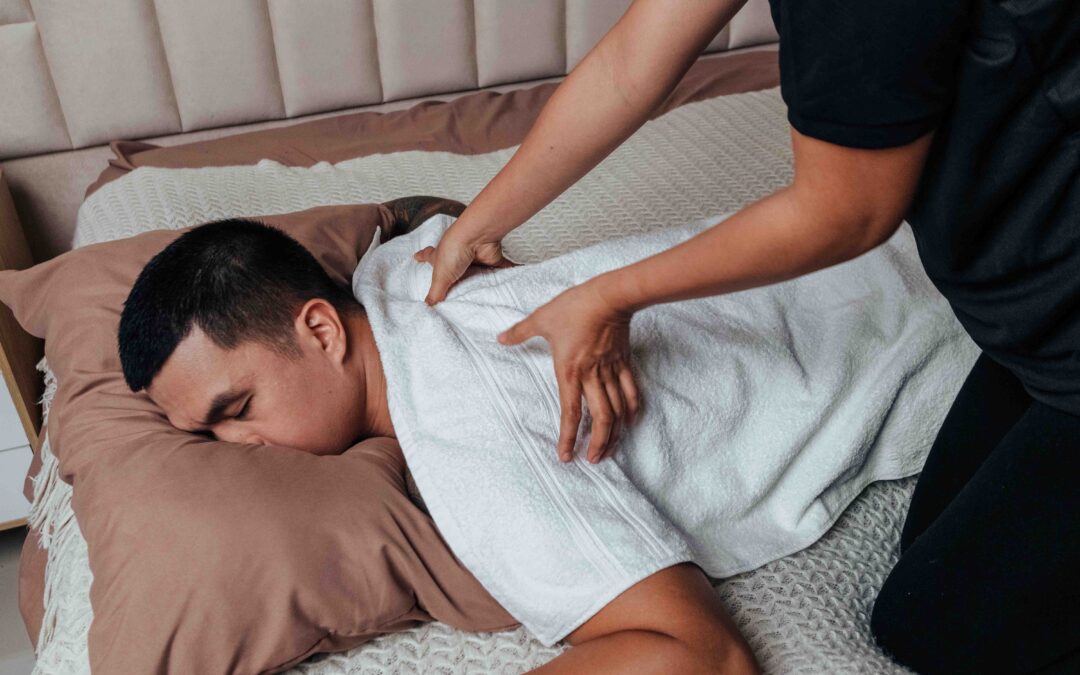
This one is worth its own mention. Massage has been shown to reduce cortisol levels, ease muscle tension, and promote the release of serotonin, which the body converts into melatonin. In other words, it physically sets your body up for deeper, better quality sleep.
If you’ve been dealing with restless nights, tense muscles, or a racing mind that won’t settle, a professional massage in the evening can be one of the most effective things you try.
Start Sleeping Better with Go Spa PH
Better sleep doesn’t usually happen overnight, but the right kind of rest can make a bigger difference than you think. If stress and physical tension are what’s keeping you up, a professional massage is one of the most effective ways to reset your body before bed.
Here’s where an at-home massage has a real advantage over going to a spa. When you get a massage at a physical location, you still have to commute home afterward, which means dealing with traffic, noise, and the mental shift of getting back into your environment. By the time you’re actually in bed, a good chunk of that relaxed, post-massage feeling has already worn off.
With Go Spa PH’s home massage service spa, the therapist comes to you. You get your massage in your own space, in your own clothes, and when it’s done, you go straight to bed. No travel, no transition, no disruption. Just a professional evening massage that lowers your cortisol, eases muscle tension, and sends you directly into the deep, quality sleep your body has been missing.
Book your session today and actually wake up feeling rested for once.