
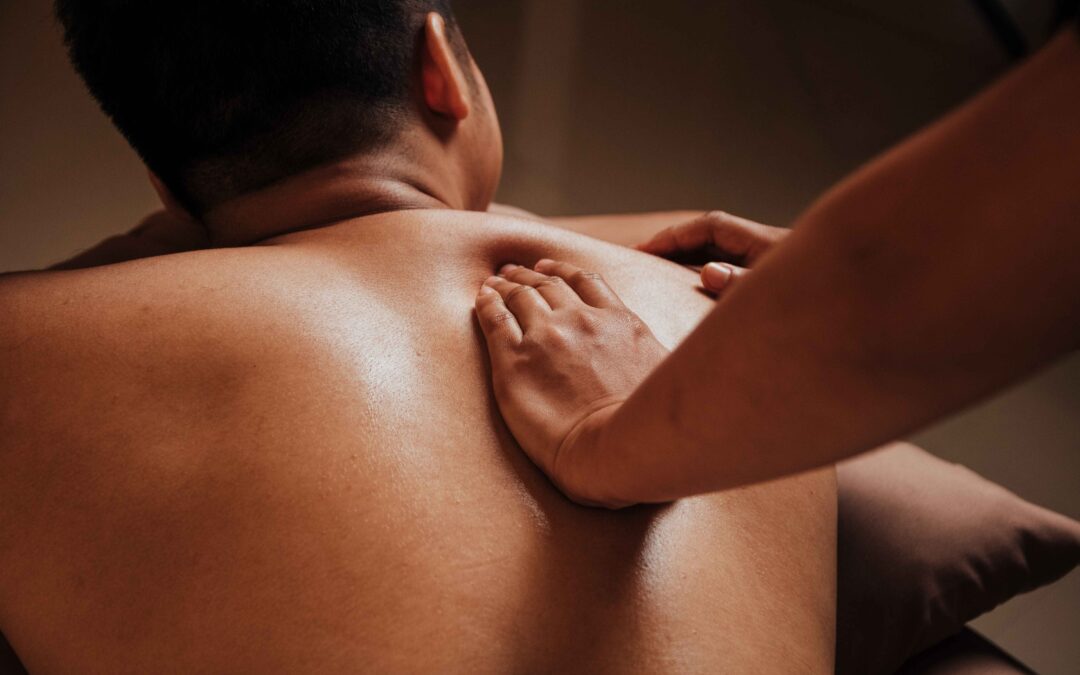
Deep Tissue Massage Guide
Between navigating the high-pressure demands of a corporate career in Makati or BGC and hitting new milestones in your running era, your body endures significant physical stress. We have all experienced it: that stubborn muscle knot in the shoulder that refuses to dissipate, or limbs that feel heavy after a training session. Often, a standard relaxation massage only addresses the surface.
This is where Deep Tissue Massage therapy becomes essential. But what is it, exactly? Is it just a high-pressure massage, or is there a specific methodology behind it?
Let’s dive into what makes this treatment a game-changer for recovery and why your stiff shoulders will thank you for it.
What is A Deep Tissue Massage?
Deep tissue massage is a specialized therapeutic technique focused on realigning the deeper layers of muscles and connective tissue. Think of your muscle fibers as a bundle of fine silk threads. In a healthy state, these threads lay side-by-side, moving smoothly and independently whenever you move. However, due to things like poor desk posture or intense training sessions, those threads can get tangled, matted, and stuck together. These “tangles” are what we call adhesions or knots.
Unlike traditional massage styles that prioritize rhythmic stroking for relaxation, deep tissue employs slow, deliberate friction and intense pressure to target specific areas of chronic tension.
The process focuses on:
- Fascial Release: Addressing the “fascia”, the protective layer surrounding your muscles that improve overall flexibility.
- Breaking Muscle Knots: Manually breaking down “knots” or adhesions that block circulation, cause pain, and limit your range of motion.
- Metabolic Clearance: When muscles are tight for a long time, they trap stagnant blood and metabolic waste (the “junk” that makes you feel achy) inside the tissue. The deep pressure helps release these trapped fluids, allowing fresh, oxygen-rich blood to flow back in and helping your system wash those waste products away.
This method is particularly effective for those suffering from chronic aches or individuals who have developed muscle stiffness due to repetitive physical activity or poor postural habits.
Once those threads are straightened out and “un-stuck,” blood can flow through them properly again, and your muscles can finally stretch and move without that pulling sensation.
Deep Tissue vs. Swedish Massage
Choosing between Deep Tissue massage and Swedish massage comes down to your current physical state: are you looking to escape the mental weight of a hectic work week, or do you need to physically untangle knots that are limiting your movement?
Use the guide below to determine which approach fits your goals for today.
| Feature | Swedish Massage | Deep Tissue Massage |
| Goal | Relaxation.A gentle way to de-stress and calm your mind. | Recovery.A focused session to fix pain and muscle stiffness. |
| Pressure | Light to Medium.Uses long, smooth strokes to soothe the surface. | Firm and Deep.Uses slow, heavy pressure to reach deep knots. |
| Experience | Passive.You can just drift off and rest while the therapist works. | Active.You need to breathe deeply and stay vocal about the pressure. |
| Best For | Self-Care.Perfect for a quick break from a busy week. | Body Maintenance.Best for athletes, runners, or chronic back pain. |
Benefits of Deep Tissue Massage
Deep tissue massage is a functional treatment that provides long-term physical benefits. By focusing on the deeper structural layers of the body, this therapy addresses the root causes of physical discomfort.
Pain Relief – By breaking down chronic adhesions (knots), the treatment interrupts pain signals and reduces the inflammation associated with muscle stiffness.
- Improved Posture – For those in corporate environments, deep tissue helps release the shortened, tight muscles in the chest and neck that lead to “slumping,” helping you maintain a more upright and natural posture.
- Enhanced Athletic Performance – For those in an intense training or in their “Running Era,” this massage increases blood flow to the limbs, which accelerates muscle repair and improves overall flexibility.
- Stress and Blood Pressure Management – While the pressure is intense, the physiological result is a release of tension that can help lower cortisol levels and promote better sleep quality. (Disclaimer: This is not medical advice. If you have concerns regarding blood pressure, please consult a doctor.)
- Increased Range of Motion – By separating matted muscle fibers, the body becomes less “tight,” allowing for more fluid movement during both daily activities and sports.
When to Get a Deep Tissue Massage
You should consider deep tissue massage if you identify with any of the following:
- Posture-related Strain – If you spend 8+ hours a day hunched over a laptop or scrolling on a phone, your upper back and neck muscles are likely in a state of constant, low-level contraction.
- Post-Workout Recovery is Slowing Down – If the soreness from your last gym session or run is lingering longer than usual, it’s a sign that your muscles need help clearing metabolic waste.
- Sharp or Radiating Pain – When a muscle knot gets tight enough, it can press on nerves or pull on joints. If you feel a “zing” or a dull ache that travels down your arm or leg, deep tissue can help release that pressure.
- Plateau in Flexibility – Sometimes, no amount of stretching can fix a muscle that is physically “stuck” to its neighboring fibers. Deep tissue manually separates these fibers so your stretches actually work.
What to Expect During A Deep Tissue Therapy Session
The short answer to this is to brace yourself.
The session begins with a consultation where you identify your specific problem areas, such as a stiff lower back from office work or tight hamstrings from training. Unlike a relaxation session where you might drift off, this requires you to focus on deep, rhythmic breathing to help your muscles accept the concentrated pressure from the therapist’s elbows or knuckles. While you may feel some discomfort as specific knots are addressed, the sensation should always feel “productive” and within your comfort limit.
It is important to maintain open communication with your therapist to ensure the intensity is therapeutic rather than being extremely painful.
Afterward, expect a “massage hangover”, a mild soreness similar to the feeling after a heavy gym workout. This is a natural sign that your muscle fibers are realigning and your body is beginning the recovery process.
Why Home Service is Best for Deep Tissue
The benefits of deep tissue therapy can be quickly undone by the stress of a commute, which is why a deep tissue massage at home is exactly what you need to truly recover. By booking at-home deep tissue massage service, you eliminate the “stress tax” of navigating traffic and can transition straight from the massage table to your own bed. This immediate rest is crucial, it allows your nervous system to stay relaxed, helping your muscles “lock in” the recovery.
Being in your own space also provides a level of privacy that helps you relax and breathe more deeply. This makes it easier for the therapist to reach those deeper muscle layers effectively, ensuring your investment in recovery actually lasts.
Recover At Home Today
Ultimately, where you get pampered is a matter of preference. However, many are realizing that a recovery session should be about total convenience, not just a fancy building. Booking a professional home service spa like Go Spa PH should be just as common as visiting a traditional clinic.
It is about giving yourself that extra bit of care without the chaos of the city. We bring the clinic to you anywhere in Metro Manila, ensuring you get high-quality treatment regardless of where you are located. You deserve a recovery session that actually lets you stay recovered. If you’re ready to skip the traffic and stay in your pajamas, we’ll see you at home!
Frequently Asked Questions (FAQs)
Is a deep tissue massage supposed to hurt?
While the pressure is firm and you may feel some discomfort when the therapist works on specific “knots,” it should never be unbearably painful. The goal is “productive” discomfort, the kind that feels like it is actually releasing tension. Always communicate with your therapist so they can adjust the intensity to your comfort level.
Why do I feel sore the next day?
This is often called a “massage hangover.” Because deep tissue massage works on the deeper layers of muscle, it can leave you with a mild soreness similar to how you feel after a heavy workout. This is a normal sign that your muscles are realigning and your body is starting to recover.
How is this different from a regular relaxation massage?
A relaxation (Swedish) massage focuses on the surface to calm the mind and body. A deep tissue massage is more functional. It uses slow, deliberate pressure to break down tight tissue and “untangle” muscle fibers that are matted together from stress or exercise.
How often should I get a deep tissue massage?
For maintenance and chronic stiffness, once or twice a month is common. However, if you are in an intense training phase or dealing with a specific injury, your therapist may suggest more frequent sessions until the issue is resolved.
What should I do after my session?
To get the most out of your recovery, drink plenty of water and allow yourself to rest. One of the biggest advantages of a home service session is that you can skip the traffic and stay in a relaxed state immediately after the treatment, which helps your muscles “lock in” the benefits.
Do you serve in my area?
Yes! We provide professional home service therapy anywhere in Metro Manila. Whether you are in Makati, BGC, or surrounding neighborhoods, we bring the clinic experience directly to your doorstep.